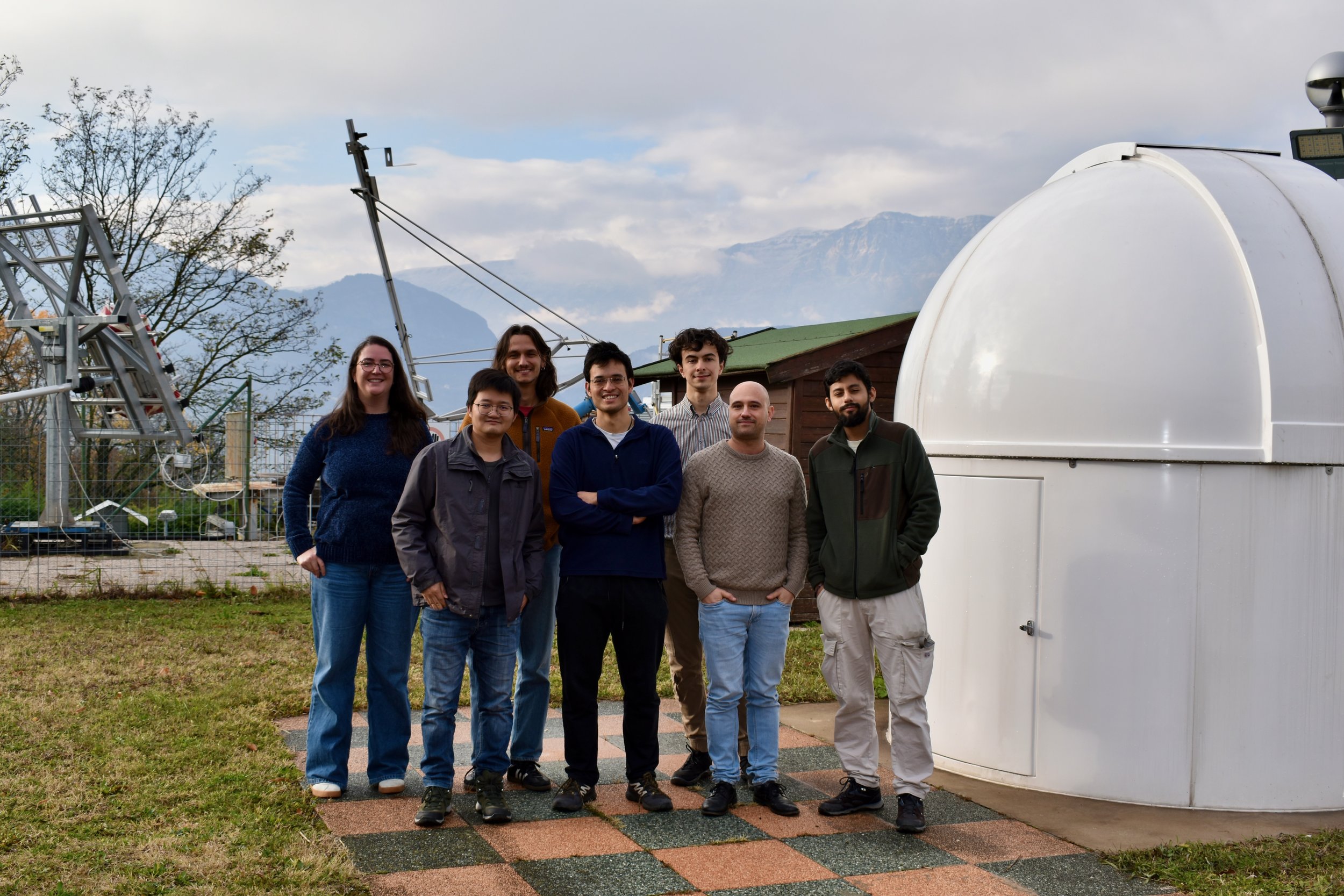
ENTRA A FAR PARTE DEL GRUPPO
Sei uno/a studente/essa o postdoc brillante interessato/a ad entrare a far parte del mio gruppo e lavorare con me? Prima di leggere qualsiasi altra cosa ti invito a leggere con molta attenzione la sezione “Informazioni generali importanti”, che spiega come lavoro e i miei valori. Se, dopo averla letta, non hai ancora cambiato idea, puoi consultare la sezione relativa al tuo livello di carriera (postdoc, dottorato, laurea magistrale, o laurea triennale) e contattarmi se ritieni che ci sia un buon fit. In fondo alla pagina trovi inoltre informazioni sulla possibilità di ospitare grant individuali a livello PI (ad es. ERC, FIS, Montalcini).
informazioni generali importanti
A differenza di molti miei colleghi, non sono interessato a massimizzare la dimensione del gruppo, il numero di persone, e così via. Allo stesso modo, non me ne importa niente di cose a cui molti accademici tengono, come promozioni, fama accademica, costruzione di una legacy, o massimizzazione di inviti a conferenze. Ciò che mi interessa dal punto di vista scientifico è lavorare su problemi divertenti e di impatto insieme a ricercatori eccezionali, con i quali ho una forte affinità scientifica e personale, e farlo in modo personalmente sostenibile. Il mio stile di supervisione è quindi deliberatamente hands-off, e lavoro al meglio con persone altamente indipendenti e fortemente motivate. Questo non significa che io sia menefreghista: pur non micromaneggiando né fornendo una guida continua e ravvicinata, sono sempre molto disponibile a prendere parte a discussioni approfondite di scienza, concentrandomi su idee, interpretazione fisica, e strategia, piuttosto che sul debugging di routine (nota: faccio anche quello!). Questo approccio è anche motivato dalla natura stessa della fisica teorica, che è difficile. La mia formazione è stata in larga parte un’esperienza di tipo impara a nuotare o affonda e, pur riconoscendo che questo non va bene per tutti, questa formazione ha profondamente influenzato il mio modo di lavorare e fare da mentore. In altre parole: non è “sei da solo, buona fortuna”, ma piuttosto “non ti gestisco, collaboro con te”.
Oltre a riflettere il modo in cui sono stato formato, gran parte del modo in cui faccio da mentore e collaboro deriva dalla mia necessità di lavorare all’interno di un’organizzazione molto strutturata e pianificata. Programmo il mio tempo professionale con largo anticipo, spesso con mesi o anni di anticipo, e devo essere estremamente deliberato nel modo in cui alloco sia il mio tempo sia, soprattutto, la mia attenzione. Questo livello di struttura e prevedibilità è essenziale affinché il mio cervello funzioni in modo efficace, e per gestire sia l’attenzione che il carico cognitivo. Mantenere un contesto cognitivo stabile e una concentrazione prolungata, riducendo al minimo richieste di attenzione non pianificate, è fondamentale per me per lavorare in maniera efficiente.
Al di là degli aspetti scientifici e di come funziona il mio cervello, attribuisco grande importanza all’equilibrio tra lavoro e vita privata, con una certa enfasi (lo ammetto) sulla vita al di fuori del lavoro (vedi anche qui per maggiori informazioni). Per dirla senza giri di parole, lavoro per vivere, non il contrario. Tratto il mio lavoro come un impiego da ufficio, al massimo dalle 9 alle 16, e organizzo di conseguenza la mia vita professionale. So che questo non è il modo in cui la maggior parte degli scienziati lavora: tuttavia, non sono la maggior parte degli scienziati e, dato che questo approccio ha funzionato bene per me finora, non vedo ragioni per cambiarlo.
Come conseguenza di tutto ciò, non sono interessato a costruire un gruppo numeroso, né tantomeno a reclutare un esercito di studenti/esse per il solo gusto di crescere. Prendo pochissime persone nel mio gruppo, e solo quando esistono una chiara motivazione scientifica e un forte fit reciproco. Questa è una scelta consapevole. Detto questo, una volta che qualcuno/a entra nel mio gruppo, mi impegno appieno nella sua crescita scientifica e professionale, rispettando il suo tempo e incoraggiando fortemente un sano equilibrio tra lavoro e vita privata. E sì, ci divertiamo anche a fare scienza (il più delle volte)! Per questo, se sei un/a ricercatore/trice o uno/a studente/essa eccezionale, c’è un buon fit scientifico e personale e, soprattutto, nulla di quanto sopra ti ha scoraggiato/a, sarò davvero felice di darti il benvenuto nel mio gruppo 😉
ricercatori e ricercatrici postdoc
TL;DR (in breve): se sei davvero eccezionale, ti assumerò se possibile e, invece di micromaneggiare, ti darò grande libertà nel fare vera fisica (con o senza il mio coinvolgimento diretto), fiducia, e una collaborazione scientifica seria quando questa è voluta da entrambe le parti (ovvero mai forzata o imposta).
Il mio approccio al mentoraggio dei postdoc è deliberatamente hands-off, con forte enfasi su indipendenza e originalità, e collaborazioni strette che nascono quando c’è interesse da entrambe le parti. Sono sempre interessato ad assumere ricercatori/trici postdoc eccezionali, compatibilmente con la disponibilità di finanziamenti esterni, dato che in Italia le posizioni postdoc sono in genere finanziate da finanziamenti individuali piuttosto che schemi centrali a livello di Ateneo. Quando dispongo di fondi e sono attivamente alla ricerca di postdoc, pubblico un’espressione di interesse (EdI) su INSPIRE-HEP, con materiale che andrà sottomesso tramite AJO. Chi applica dovrebbe prendere l’EdI molto seriamente, in particolare la lettera di presentazione. Data la difficoltà nell’attrarre candidati/e di alto livello in Italia, chiedo a chi applica di spiegare le motivazioni che li/le spingono a venire nonostante gli stipendi relativamente bassi: motivazioni personali (non scientifiche) sono esplicitamente benvenute. In Italia, l’assunzione di postdoc di norma non può avvenire direttamente tramite AJO, ma richiede un concorso pubblico ufficiale: l’EdI non è una candidatura formale, ma serve a individuare i/le candidati/e che saranno successivamente invitati/e a partecipare al concorso. Sebbene il concorso sia formalmente aperto, l’EdI rappresenta la fase rilevante per valutare l’interesse reciproco.
Esistono inoltre diverse altre possibilità per entrare a far parte del mio gruppo tramite fellowship indipendenti. Supporto attivamente candidature alle Marie Skłodowska-Curie (MSCA) postdoctoral fellowships, sia nella versione European (2 anni a Trento) che Global (2 anni fuori dall’UE - tipicamente in Nord America - e 1 anno a Trento). Ho grande esperienza con questo schema, avendo seguito numerose candidature e avendone vinta una io stesso nel 2022, mentre l’ufficio supporto alla ricerca di UniTN fornisce un supporto eccellente. Le scadenze sono in genere a Settembre, con l’avvio dei progetti previsto circa un anno più tardi. Preparare una candidatura competitiva richiede un notevole impegno in termini di tempo, e posso supportare solo un numero molto limitato di candidature ogni anno. I/Le candidati/e interessati/e sono pertanto invitati/e a contattarmi con largo anticipo, idealmente entro Febbraio.
La Fondazione CARITRO, una fondazione privata che opera sul territorio del Trentino, offre inoltre ogni anno fellowship postdoc altamente competitive. Si tratta di posizioni di 2 anni che garantiscono piena indipendenza scientifica e un ottimo stipendio, e richiedono la presentazione di un progetto di ricerca dettagliato (simile in spirito alle MSCA, ma con molti meno vincoli). I progetti devono produrre benefici misurabili per il territorio del Trentino, obiettivo che, nel caso di progetti di ricerca teorici, può in genere essere raggiunto tramite una solida componente di divulgazione in collaborazione con istituzioni locali. Dato che i fondi sono limitati e ciascun Dipartimento a UniTN può supportare al massimo 2 candidature, queste fellowship sono particolarmente selettive. I/Le candidati/e interessati/e sono pertanto invitati/e a contattarmi con largo anticipo e a monitorare i bandi della fondazione (“bando post-doc”).
Oltre alle opportunità descritte sopra, diversi paesi offrono schemi nazionali di fellowship che finanziano periodi di ricerca di lunga durata all’estero. Si tratta, a tutti gli effetti, di posizioni postdoc, spesso con stipendi estremamente competitivi, e in genere riservate a cittadini del paese in questione o a ricercatori/trici che hanno conseguito il Dottorato nel paese in questione. Questi programmi variano notevolmente per struttura, durata, e criteri di eleggibilità, ma in generale sono disponibile a supportare candidati/e estremamente forti che desiderino entrare a far parte del mio gruppo tramite tali schemi, purché la fellowship abbia una durata di almeno 2 anni. Fellowship più brevi non consentono infatti un tempo sufficiente per un impatto scientifico significativo. Mi riservo in ogni caso piena discrezionalità nel decidere se supportare fellowship finanziate esternamente, nel rispetto dei vincoli istituzionali, legali, ed etici.
Il processo di individuazione degli schemi di finanziamento rilevanti e di verifica del rispetto di tutti i requisiti di eleggibilità e mobilità è interamente responsabilità del/la candidato/a e rientra nel livello di indipendenza atteso da un/a ricercatore/trice postdoc. Se sei interessato/a a candidarti per uno di questi schemi, ti invito a contattarmi almeno 4 mesi prima della scadenza, poiché il supporto a una candidatura competitiva richiede un notevole impegno in termini di tempo e il superamento di diversi passaggi burocratici. Esempi di tali schemi comprendono:
* Svezia: VR international postdoc grant, Fondazione Blanceflor
* Giappone: JSPS overseas research fellowship
* Canada: Canada postdoctoral research award program
* Svizzera: SNSF Postdoc.Mobility fellowship
* Germania: DAAD PRIME, Fedor Lynen research fellowship
* Danimarca: Carlsberg international fellowship
* Estonia: ETAG mobility funding
* Paesi Bassi: NWO Rubicon
* Norvegia: FRIPRO
* Austria: FWF Erwin Schrödinger fellowship
* Taiwan: postdoctoral research abroad program
Questa lista non è esaustiva ed è volta unicamente a illustrare la varietà di schemi nazionali di mobilità potenzialmente rilevanti.
dottorandi/e
L’ammissione al programma di dottorato a UniTN avviene tramite un concorso pubblico centralizzato. Rispetto agli Stati Uniti e al Nord Europa, la procedura inizia relativamente tardi: le candidature si aprono in genere ad Aprile/Maggio, i colloqui si svolgono a Giugno/Luglio, e le offerte di ammissione avvengono a Giugno/Luglio, per iniziare il dottorato il 1 Novembre. I/Le candidati/e interessati/e sono invitati a monitorare attentamente la pagina del Dottorato in Fisica durante il periodo di apertura delle candidature.
A UniTN ci sono due tipi di posizioni di dottorato: a) borse vincolate su un tema specifico, finanziate tramite grant dedicati, e b) borse libere, finanziate tramite borse UniTN o INFN. In genere non offro borse vincolate, quindi i/le candidati/e interessati/e dovrebbero concorrere per le borse libere. Nel bando di ammissione, queste sono solitamente indicate come “Università di Trento” o “INFN” nella colonna finanziatore. Per le posizioni INFN, la scelta rilevante nella colonna eventuale tematica vincolata è “Particle, astroparticle, nuclear, theoretical physics, related technologies and applications, including medical physics”. Ogni anno sono disponibili in totale tipicamente tra 6 e 9 borse libere. Si tratta di posizioni altamente competitive, che attraggono i/le candidati/e più forti (in grande maggioranza teorici/che) e presentano tassi di successo molto bassi. La maggior parte dei/le dottorandi/e precedenti del Gruppo di Gravitazione e Cosmologia Teorica sono stati/e finanziati/e da borse UniTN o INFN.
Se sei comunque interessato/a a lavorare con me, questo dovrebbe emergere in modo molto chiaro nella lettera motivazionale richiesta. La procedura di ammissione è gestita a livello dipartimentale e, in generale, non ho un ruolo diretto nelle decisioni di ammissione, salvo nei casi in cui faccia parte della commissione di concorso. Di conseguenza, email di richieste informative non sollecitate sono in genere di utilità limitata. Detto ciò, se sei un/a candidato/a estremamente forte con un interesse sincero a lavorare con me, una email breve e che vada dritta al punto che descriva il tuo background e i tuoi interessi può essere utile sia per me sia per la tua candidatura (vedi qui per come non farlo). Data l’elevata quantità di richieste che ricevo e il fatto che ho una vita, una mancanza di risposta va quasi sempre interpretata come mancanza di interesse. Per le ragioni spiegate nella sezione “Informazioni generali importanti” di sopra, prendo al massimo un/a nuovo/a dottorando/a all’anno, ma in genere molti/e meno.
In termini di preparazione, i/le dottorandi/e che lavorano con me devono avere una formazione eccezionale in cosmologia (in particolare teoria delle perturbazioni cosmologiche, CMB, e struttura a grande scala), essere a proprio agio con Python (idealmente anche C/C++), e non avere timore di affrontare calcoli numerici e simulazioni. Lavorare sulla fisica dei buchi neri richiede inoltre, oltre a una solida familiarità con l’argomento, anche esperienza con Mathematica. Più in generale, per prosperare sotto la mia supervisione, i/le dottorandi/e devono essere estremamente indipendenti e fortemente motivati/e. In caso contrario, è poco probabile che lavorare con me diventi una buona esperienza (per usare un eufemismo) per entrambe le parti.
laureandi/e magistrali
Se vuoi svolgere la tua tesi magistrale sotto la mia supervisione, devi aver seguito il mio corso di Modern Cosmology in magistrale, e aver ottenuto risultati eccezionali, con un voto finale di almeno 29/30. I voti superiori a 28/30 sono assegnati esclusivamente agli/alle studenti/esse che dimostrano forti capacità di pensiero critico e l’abilità di applicare strumenti concettuali in contesti che vanno oltre il materiale trattato a lezione, competenze che costituiscono prerequisiti essenziali per lavorare con me. Se soddisfi questi requisiti, puoi contattarmi dopo aver superato l’esame. Per i motivi illustrati nella sezione “Informazioni generali importanti” sopra, seguo un numero molto limitato di studenti magistrali ad ogni dato momento (non più di 2, al massimo 3 in casi davvero eccezionali). La supervisione è deliberatamente hands-off, con incontri che avvengono non più di una volta ogni due settimane, quindi gli studenti magistrali devono essere altamente autonomi/e e fortemente motivati/e per prosperare sotto la mia supervisione. Se ritieni di aver bisogno di una guida ravvicinata o frequente, questo stile di supervisione probabilmente non è adatto a te e dovresti cercare un altro supervisore. Questo non vuole scoraggiare o intimorire, ma semplicemente stabilire aspettative chiare e trasparenti fin dall’inizio.
laureandi/e triennali
Se vuoi svolgere la tesi triennale sotto la mia supervisione, devi aver seguito il mio corso di Relatività in triennale, e aver ottenuto risultati eccezionali, con una votazione finale di almeno 29/30. I voti superiori a 28/30 sono assegnati esclusivamente agli/alle studenti/esse che dimostrano forti capacità di pensiero critico e l’abilità di applicare strumenti concettuali in contesti che vanno oltre il materiale trattato a lezione, competenze che costituiscono prerequisiti essenziali per lavorare con me. Se soddisfi questi requisiti, puoi contattarmi dopo aver superato l’esame. A UniTN, una tesi triennale teorica è concepita come un lavoro di revisione (senza risultati originali) e vale 3 crediti, quindi l’investimento di tempo da entrambe le parti è necessariamente limitato. La supervisione consisterà quindi in un numero ridotto di incontri, finalizzati alla discussione del materiale di studio e al feedback sulla tesi finale. Per questo motivo, gli/le studenti/esse devono essere altamente autonomi/e e fortemente motivati/e per lavorare con successo sotto la mia supervisione. Se ritieni di aver bisogno di una guida ravvicinata o frequente, questo stile di supervisione probabilmente non è adatto a te e dovresti cercare un altro supervisore. Questo non vuole scoraggiare o intimorire, ma semplicemente stabilire aspettative chiare e trasparenti fin dall’inizio.
SUPPORTO A RICERCATORI E RICERCATRICI INDIPENDENTI
Oltre alle posizioni supervisionate (postdoc e studenti/esse), supporto attivamente candidature a finanziamenti individuali quali quelli dell’European Research Council (ERC), il Fondo Italiano per la Scienza (FIS), e il Programma Rita Levi Montalcini, con sede presso UniTN. Si tratta di schemi a livello di Principal Investigator, non di posizioni all’interno del mio gruppo, e che portano tipicamente a inquadramenti di tipo tenure-track (RTT). In questo contesto, agirei come sponsor interno, e lavoreremmo in stretta connessione all’interno del Gruppo di Gravitazione e Cosmologia Teorica. Il supporto interno nella fase di candidatura è essenziale: ottenere uno di questi finanziamenti e successivamente richiedere il reclutamento uno/a sponsor e supporto a livello di dipartimento è un approccio che difficilmente funziona. Per questo, e dato che supporto solo proposte strettamente allineate ai miei interessi di ricerca, i/le candidati/e che stanno considerando di portare uno di questi finanziamenti a UniTN sono invitati/e a contattarmi il prima possibile.
Per contro, per le ragioni spiegate nella sezione “Informazioni generali importanti” sopra, non incoraggio visite non sollecitate né richieste generiche volte a esplorare idee vaghe e fare brainstorming informale, o visite esplorative di breve durata. Per come funziono, visite non strutturate, interruzioni frequenti o interazioni poco definite sono estremamente destabilizzanti e comportano un costo cognitivo sproporzionatamente elevato per il mio cervello. A meno che non siamo già collaboratori, o non vi sia un progetto o un’opportunità di finanziamento chiari, concreti, e ben definiti (di almeno 2 anni di durata, come indicato nella sezione “Ricercatori e ricercatrici postdoc” sopra), non posso in generale supportare tali richieste. Questo vale in particolare per gli/le studenti/esse. Ricevo spesso richieste relative a tirocini, progetti di ricerca di breve durata, posizioni di visiting, e iniziative analoghe. Con rarissime eccezioni, e a meno che non ci sia una relazione di ricerca preesistente (in ogni caso con al massimo un grado di separazione accademica, ovvero il/la tuo/a supervisore/a e io siamo stretti collaboratori), la risposta è invariabilmente no. La mia priorità come docente di UniTN è di seguire gli/le studenti/esse di UniTN, e non ho la capacità di supportare visite di breve durata, non strutturate, o puramente esplorative.